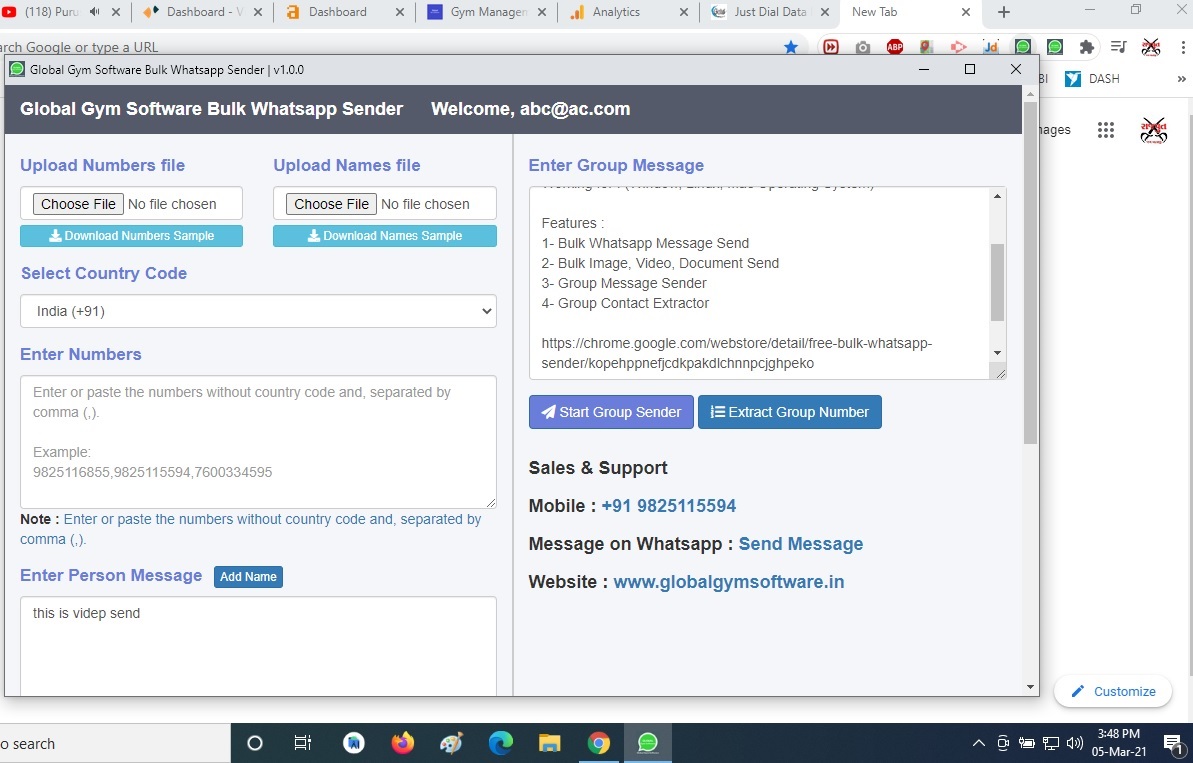
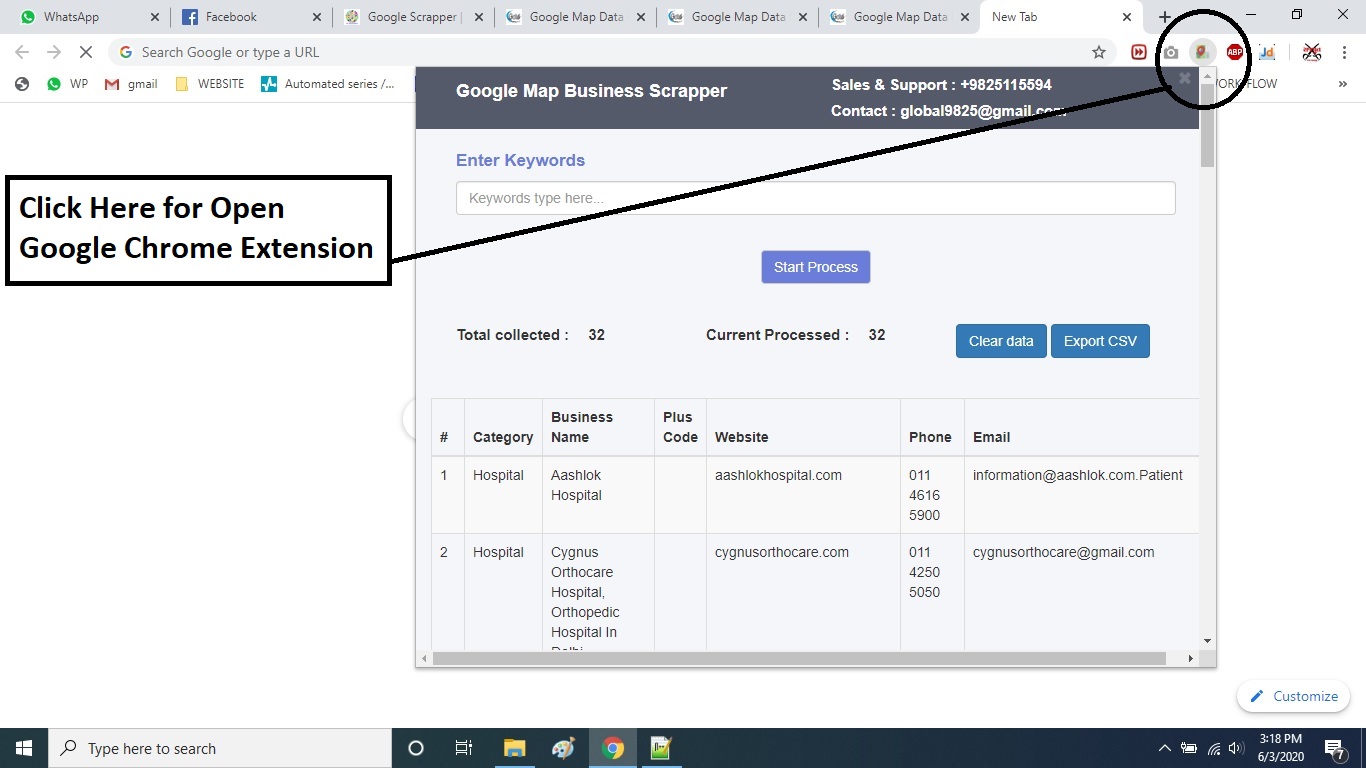
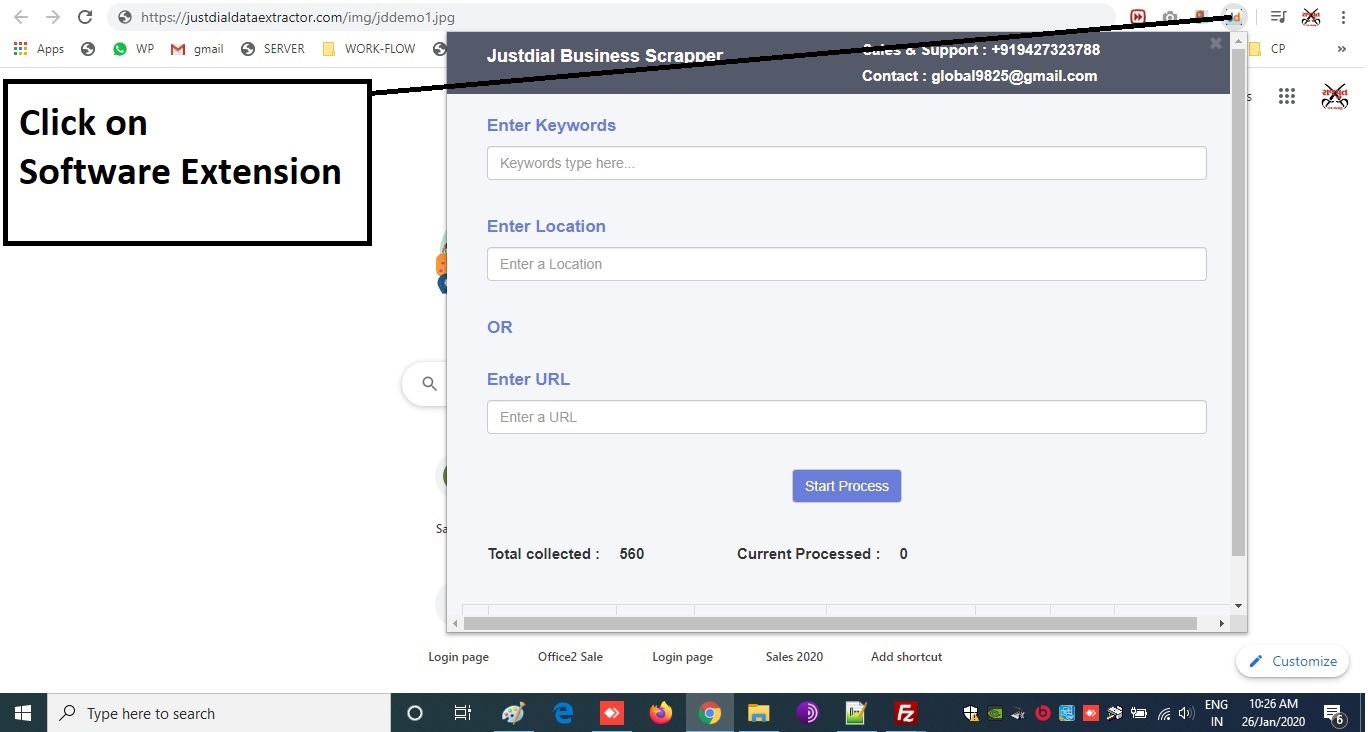
Just Dial Data Extractor (Application Work on Linux | Window | Mac)
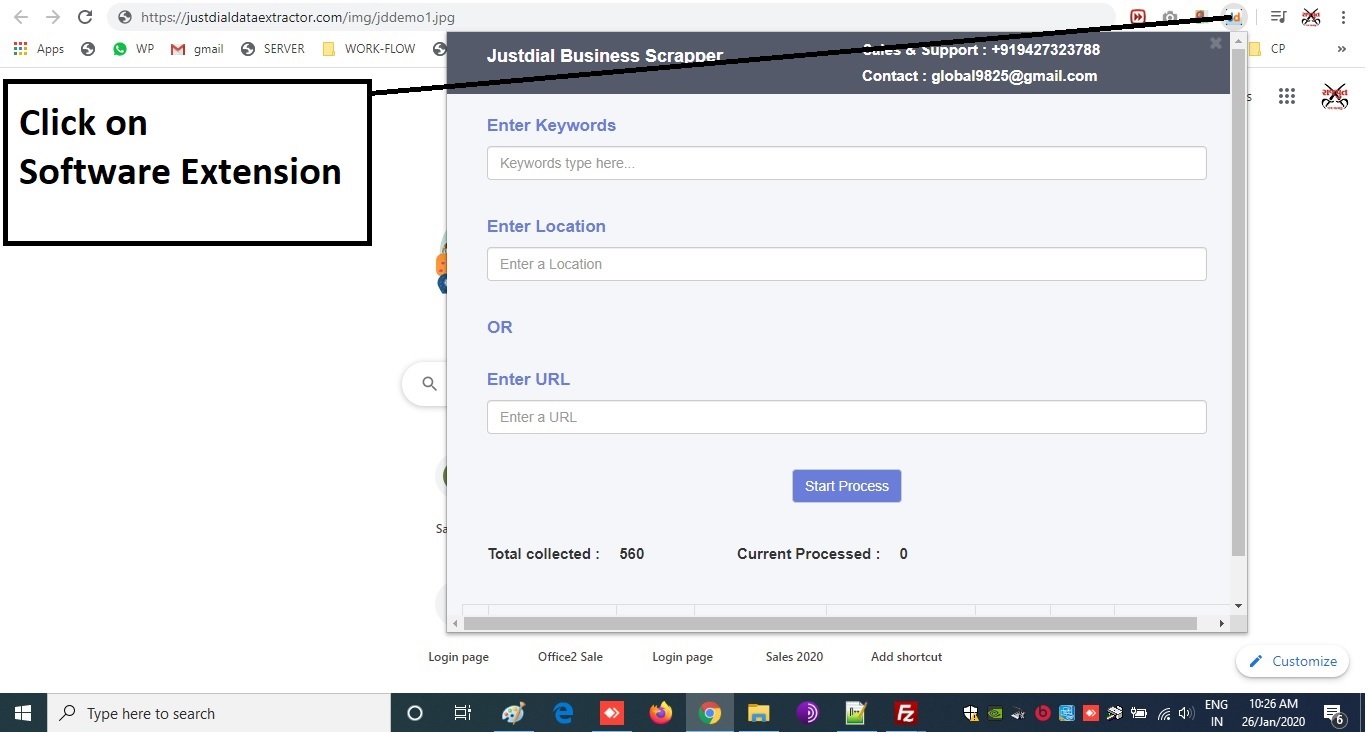
Just Dial Data Extractor
For months Archivium said nothing. The police shrugged and called it a "missing person case with unclear leads." Friends tried to be helpful with casseroles and pity; they could not sit with the particular, concrete way her father’s study now hummed beneath her fingertips in memories of late-night coding and the smell of old coffee.
The key came three days later.
Maya's eyes blurred. Between the versions a single line stood out, something Jonah had not said aloud: "If forced to pick, pick the copy that lets people tell their own stories." 4ddig duplicate file deleter key
Archivium changed its name. Not because the lawyers demanded it, but because the staff had to tell the truth about what they now did: they didn't just delete duplicates; they defended the right to be kept—vinyl scratches and all. The 4ddig key became a small badge of a principle: preserve multiplicity, preserve dissent, preserve the copies people made to keep themselves in the world.
The little terminal paused, considered. The server room hummed like a held breath. Then processes unfurled not to delete but to merge: duplicates preserved as divergent nodes, conflicts flagged for human review, metadata expanded to include provenance and testimony fields. The system began to generate notices to original owners, to offer them choices about which copies to keep public, which to lock, and which to annotate. It kept every copy as an alternate truth accessible alongside others—no single canonical wiped out the rest. For months Archivium said nothing
Maya kept the little bronze key on a thin leather cord around her neck, worn smooth by months of nervous fidgeting. It had come in an anonymous padded envelope the week her father disappeared—no note, only the key and a thumbprint of something like circuitry pressed into the metal. The stamped letters on the bow were odd and tiny: 4DDIG.
The program began. Lines flew by—checksums collapsing, pointers grafted, orphaned fragments reassigned. It was beautiful in the abstract, like a synaptic pruning. But halfway through, the logs revealed something else: duplicates were not only redundant images and outdated drafts; they were safety copies, secret mirrors created by people who feared erasure. People who had whistleblown, hidden, or simply wanted a copy of themselves in a place the world couldn’t touch. Maya's eyes blurred
Maya slid the photo into her pocket and walked until the city lights blurred. She did not know if she would ever find him. But when enough people had access to their own versions of truth, the world was, if not safer, at least truer. The key around her neck felt less like a talisman and more like a promise: that no single deletion could erase the whole of a life.