# Train the generator optimizer_g.zero_grad() fake_logits = discriminator(generator(torch.randn(100))) loss_g = criterion(fake_logits, torch.ones_like(fake_logits)) loss_g.backward() optimizer_g.step() Note that this is a simplified example, and in practice, you may need to modify the architecture and training process of the GAN to achieve good results.

class Discriminator(nn.Module): def __init__(self): super(Discriminator, self).__init__() self.fc1 = nn.Linear(784, 128) self.fc2 = nn.Linear(128, 1)

GANs are a type of deep learning model that consists of two neural networks: a generator network and a discriminator network. The generator network takes a random noise vector as input and produces a synthetic data sample that aims to mimic the real data distribution. The discriminator network, on the other hand, takes a data sample (either real or synthetic) as input and outputs a probability that the sample is real.

For those interested in implementing GANs, there are several resources available online. One popular resource is the PDF, which provides a comprehensive overview of GANs, including their architecture, training process, and applications.

# Initialize the generator and discriminator generator = Generator() discriminator = Discriminator()

import torch import torch.nn as nn import torchvision

The key idea behind GANs is to train the generator network to produce synthetic data samples that are indistinguishable from real data samples, while simultaneously training the discriminator network to correctly distinguish between real and synthetic samples. This adversarial process leads to a minimax game between the two networks, where the generator tries to produce more realistic samples and the discriminator tries to correctly classify them.

def forward(self, z): x = torch.relu(self.fc1(z)) x = torch.sigmoid(self.fc2(x)) return x
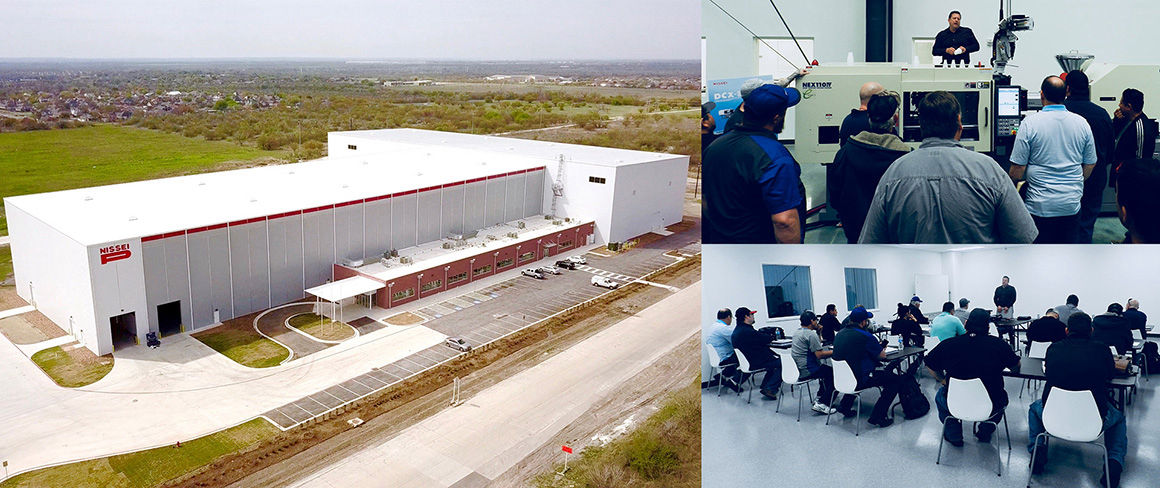
COURSE DESCRIPTIONS

  • First Day's Agenda
    - Nissei company profile
    - The molding machine: general descriptions
    - Exploring the actual machine
    - Manual operation procedures, including mold setup
    - Procedure for automatic operation
  • Second Day's Agenda
    - Details of the electronic controller
    - Optimizing the molding conditions
    - Controlling the injection process
    - Statistical quality control
    - Starting the machine and molding operation
  • Third Day's Agenda
    - Hydraulic components and circuits
    - Electrical diagrams
    - Diagnostic functions and troubleshooting
    - Maintenance and inspection
    - Presentation of Completion Certificates
NISSEI School USA

Nissei America Headquarters and Nissei Texas Technical Center

HOURS

9:00am to 4:30pm
*Lunch 12 noon to 1PM


FEES

$399.00 per person
*including textbooks and lunch


REGISTRATION FORM DOWNLOAD

After confirming the availability (please call or email the location of your choice), please fill out and send us the registration form.

LOCATIONS

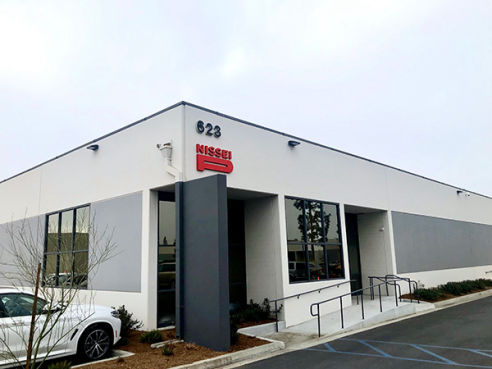
NISSEI LA

Los Angeles Tech Center

623 S State College Blvd. #10A
Fullerton, CA 92831
Phone: 714-693-3000
Size: 12 ppl/course
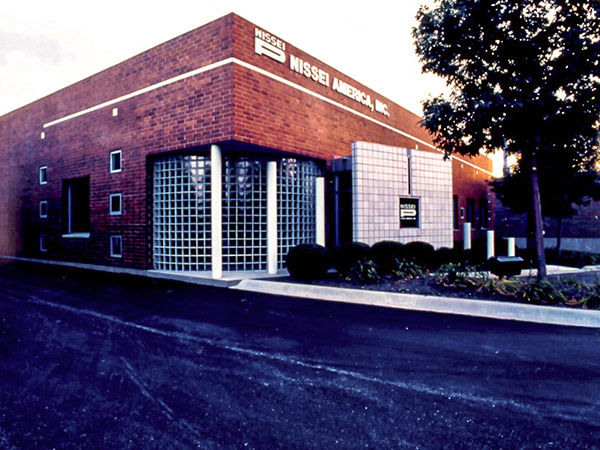
NISSEI Chicago

Chicago Tech Center

721 Landmeier Road
Elk Grove Village, IL 60007
Phone: 847-228-5000
Size: 11 ppl/course
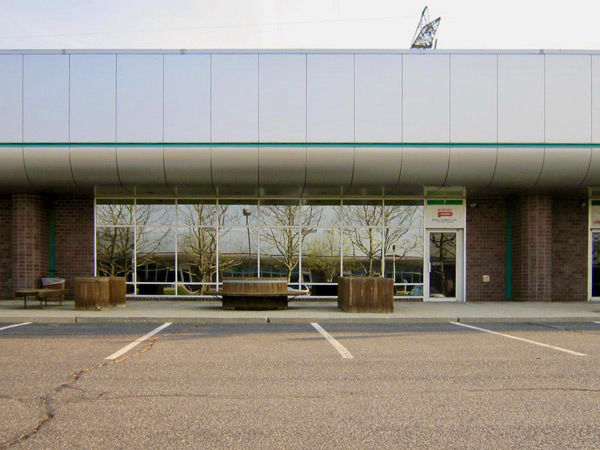
NISSEI New Jersey

New Jersey Tech Center

1085 Cranbury South River Road Suite 7
Jamesburg, NJ 08831
Phone: 732-271-4885
Size: 12 ppl/course
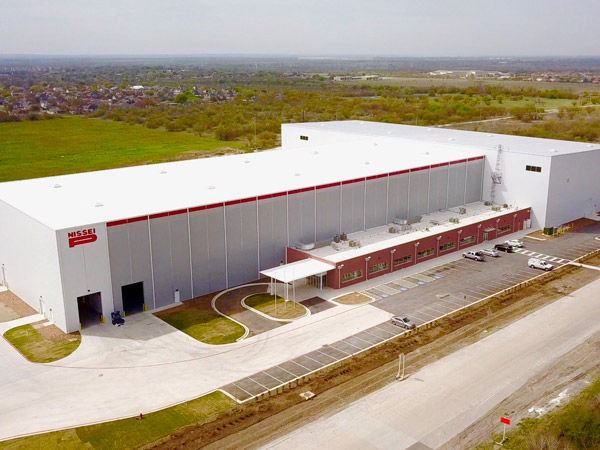
NISSEI Texas

Texas Tech Center

3730 Global Way
(formerly Lyster Rd)
San Antonio, TX 78235
Phone: 732-271-4885
*Minimum of 10 ppl/course

Pdf Github: Gans In Action

# Train the generator optimizer_g.zero_grad() fake_logits = discriminator(generator(torch.randn(100))) loss_g = criterion(fake_logits, torch.ones_like(fake_logits)) loss_g.backward() optimizer_g.step() Note that this is a simplified example, and in practice, you may need to modify the architecture and training process of the GAN to achieve good results.

class Discriminator(nn.Module): def __init__(self): super(Discriminator, self).__init__() self.fc1 = nn.Linear(784, 128) self.fc2 = nn.Linear(128, 1)

GANs are a type of deep learning model that consists of two neural networks: a generator network and a discriminator network. The generator network takes a random noise vector as input and produces a synthetic data sample that aims to mimic the real data distribution. The discriminator network, on the other hand, takes a data sample (either real or synthetic) as input and outputs a probability that the sample is real. gans in action pdf github

For those interested in implementing GANs, there are several resources available online. One popular resource is the PDF, which provides a comprehensive overview of GANs, including their architecture, training process, and applications.

# Initialize the generator and discriminator generator = Generator() discriminator = Discriminator() # Train the generator optimizer_g

import torch import torch.nn as nn import torchvision

The key idea behind GANs is to train the generator network to produce synthetic data samples that are indistinguishable from real data samples, while simultaneously training the discriminator network to correctly distinguish between real and synthetic samples. This adversarial process leads to a minimax game between the two networks, where the generator tries to produce more realistic samples and the discriminator tries to correctly classify them. The discriminator network, on the other hand, takes

def forward(self, z): x = torch.relu(self.fc1(z)) x = torch.sigmoid(self.fc2(x)) return x