Once upon a pre-smartphone era, texting had a rhythm: thumbs thumped a small numeric keypad, digits doubled as letters, and predictive magic—T9—saved us from endless multi-tap loops. Fast-forward to today: full-touch keyboards dominate, voice input is ubiquitous, and T9 is a nostalgia artifact for many. Yet the idea behind T9—compact input, predictive disambiguation, and minimal keystrokes—remains valuable. A modern T9 keyboard emulator can blend retro efficiency with contemporary features, giving power users, accessibility seekers, and tiny-screen devices a fast, satisfying typing experience. This article explores what a T9 keyboard emulator is, why it matters, who benefits, how to design one that’s actually better than the original, and concrete features and UX choices that transform a vintage idea into a modern tool.
Using VerbAce-Pro
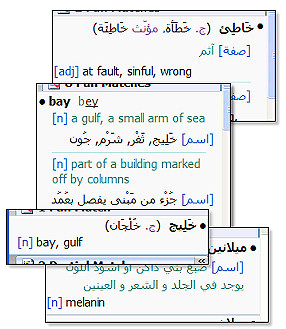
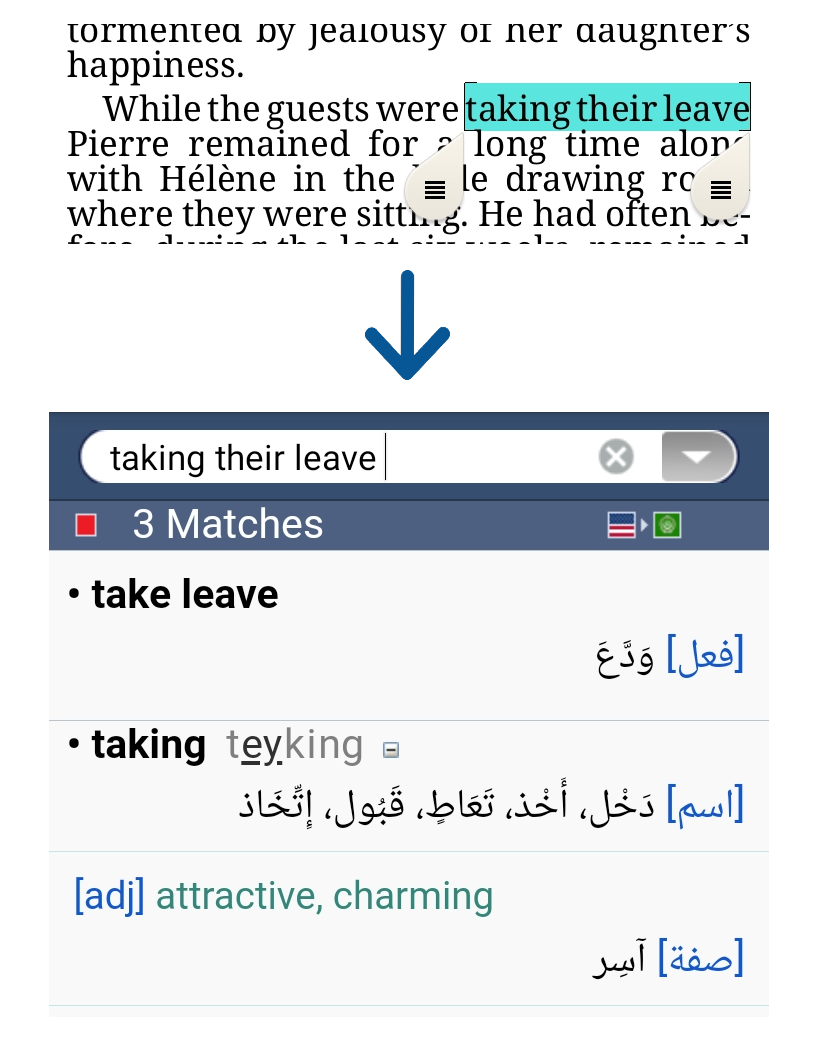
To use VerbAce-Pro just click on the word you want to translate, and the VerbAce-Pro results window will pop up with the trasnslation you need.
VerbAce-Pro captures and translates words and phrases from most Windows applications.
You can also pass the mouse over words and obtain quick translation via the Micro Window, or search for words by typing them in the term box.
Dictionary Features
|
Arabic broken plural and feminine forms t9 keyboard emulator better | |
|
English usage indications Once upon a pre-smartphone era, texting had a | |
|
English broken plural forms A modern T9 keyboard emulator can blend retro | |
|
Entries sub-meanings (when applicable) | |
|
Many technical fields covered (Medicine, Anatomy, Law, Computing, Finance, and more) |
Advanced Morphological Engine
VerbAce-Pro morphological engine can analyze complex word formations and display the relevant dictionary entries.
The engine also detects and shows the form number of Arabic verbs.
Once upon a pre-smartphone era, texting had a rhythm: thumbs thumped a small numeric keypad, digits doubled as letters, and predictive magic—T9—saved us from endless multi-tap loops. Fast-forward to today: full-touch keyboards dominate, voice input is ubiquitous, and T9 is a nostalgia artifact for many. Yet the idea behind T9—compact input, predictive disambiguation, and minimal keystrokes—remains valuable. A modern T9 keyboard emulator can blend retro efficiency with contemporary features, giving power users, accessibility seekers, and tiny-screen devices a fast, satisfying typing experience. This article explores what a T9 keyboard emulator is, why it matters, who benefits, how to design one that’s actually better than the original, and concrete features and UX choices that transform a vintage idea into a modern tool.
Made with Mobirise web themes