
Talk to us?
welcome To
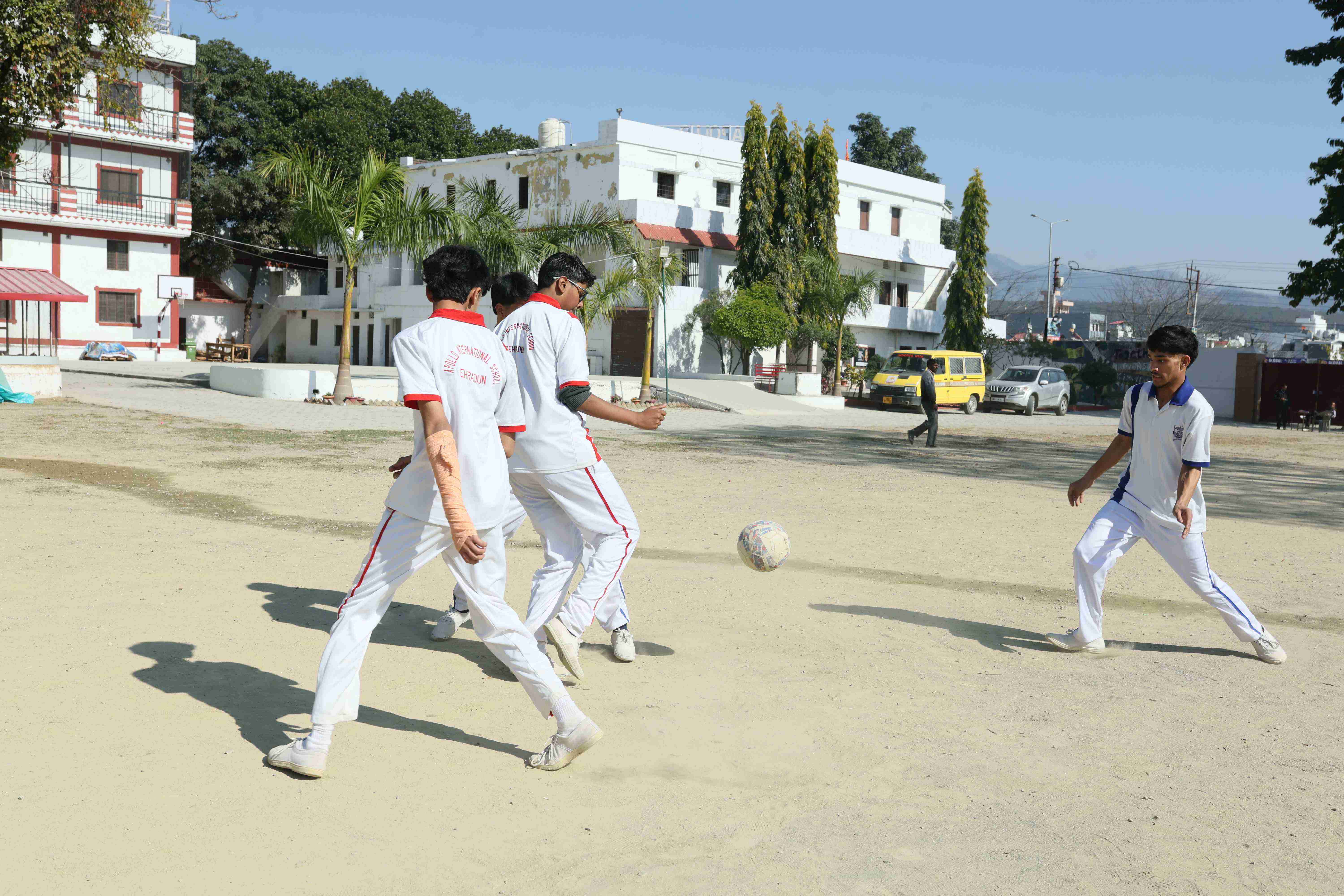
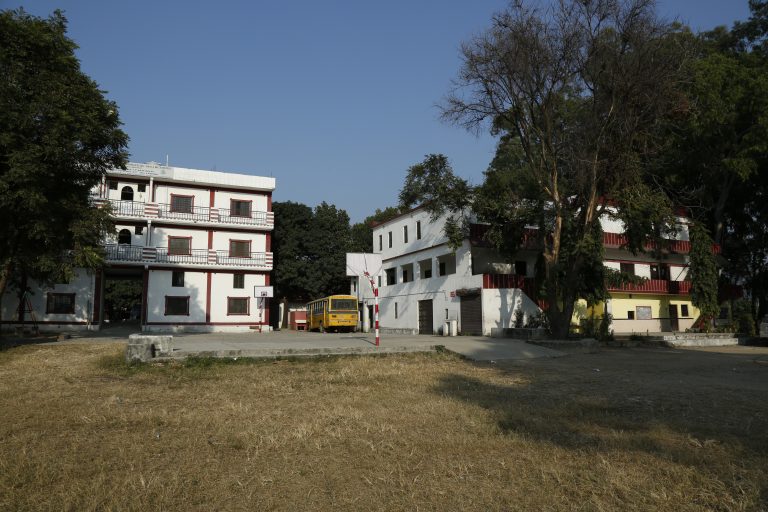
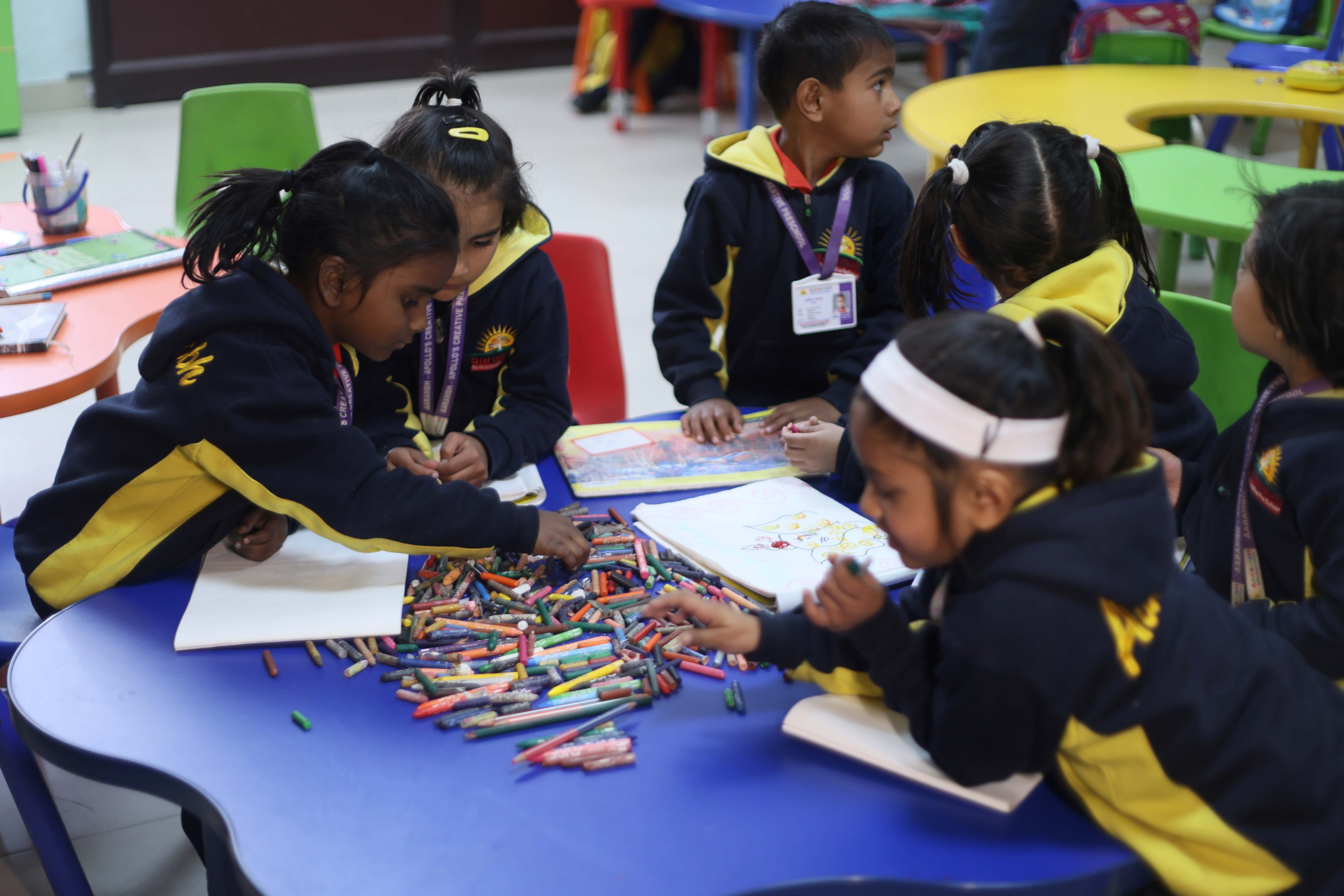
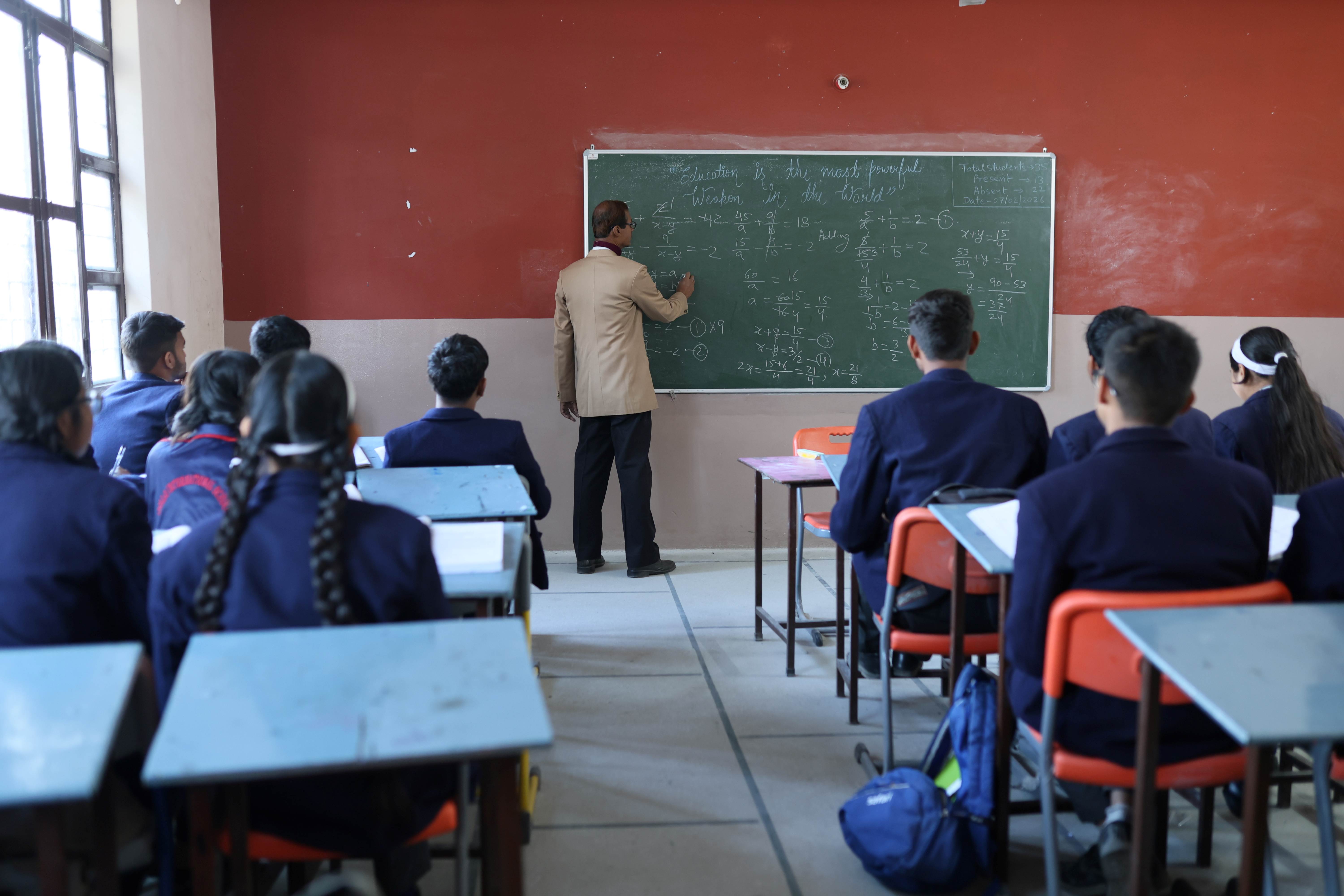
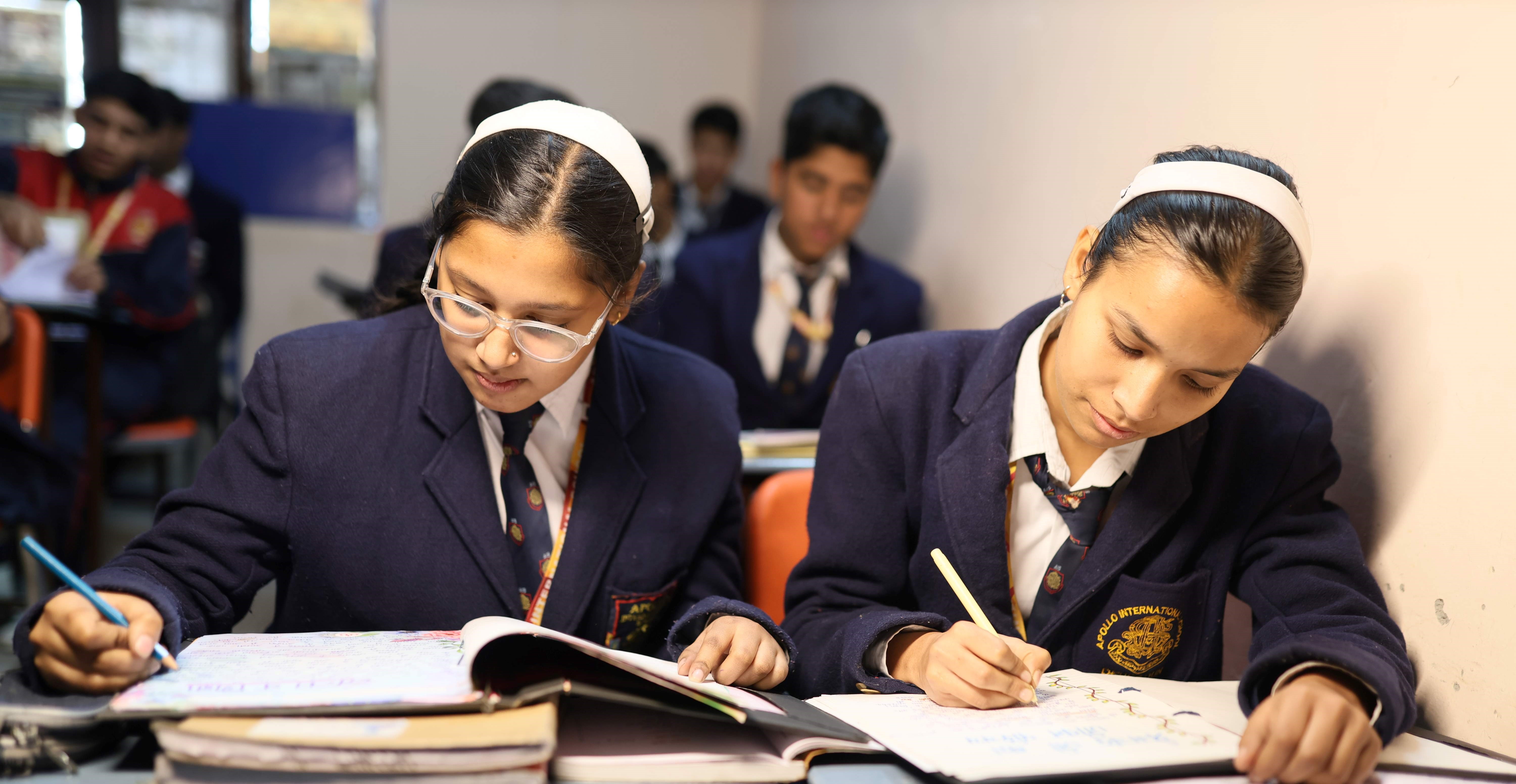
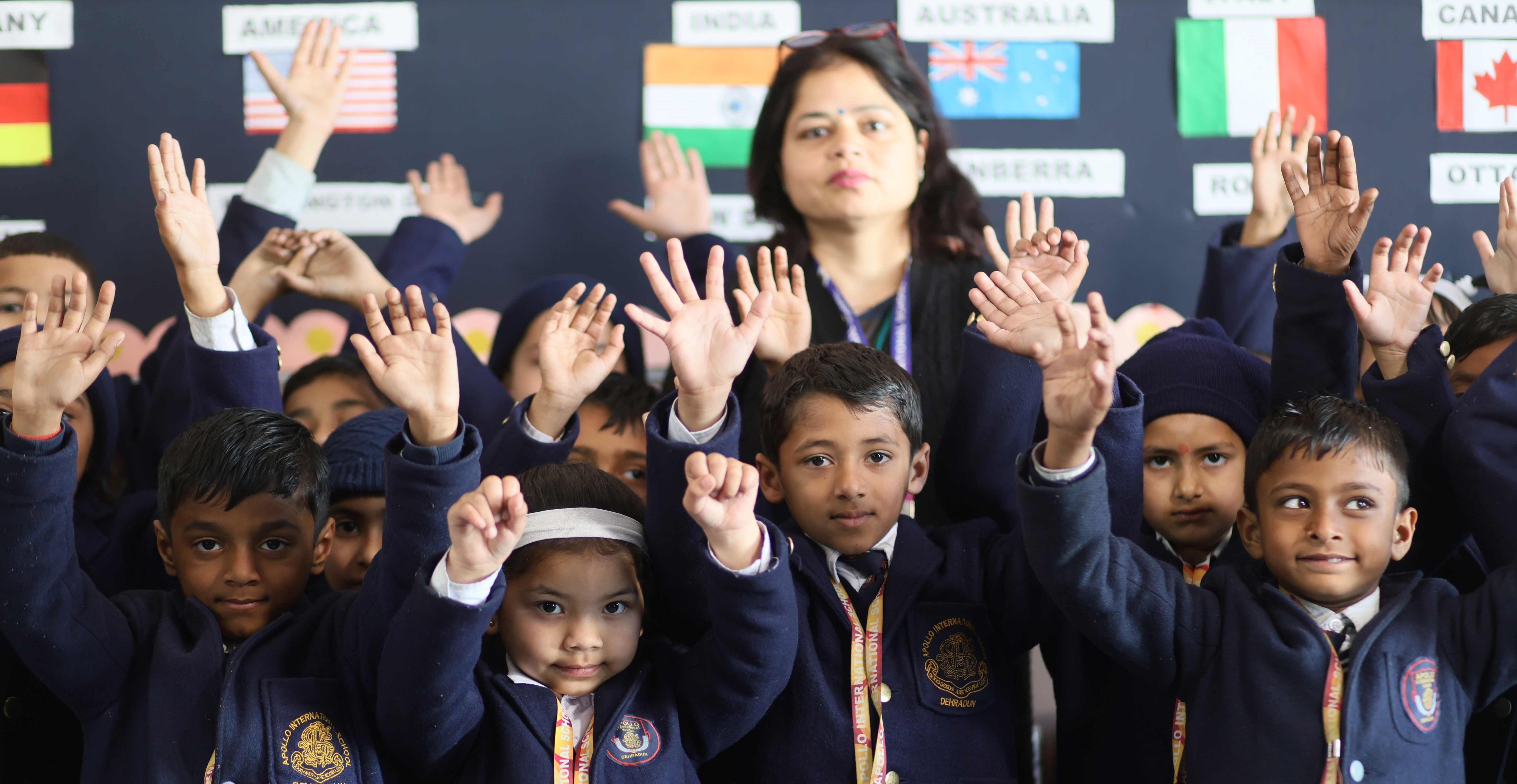
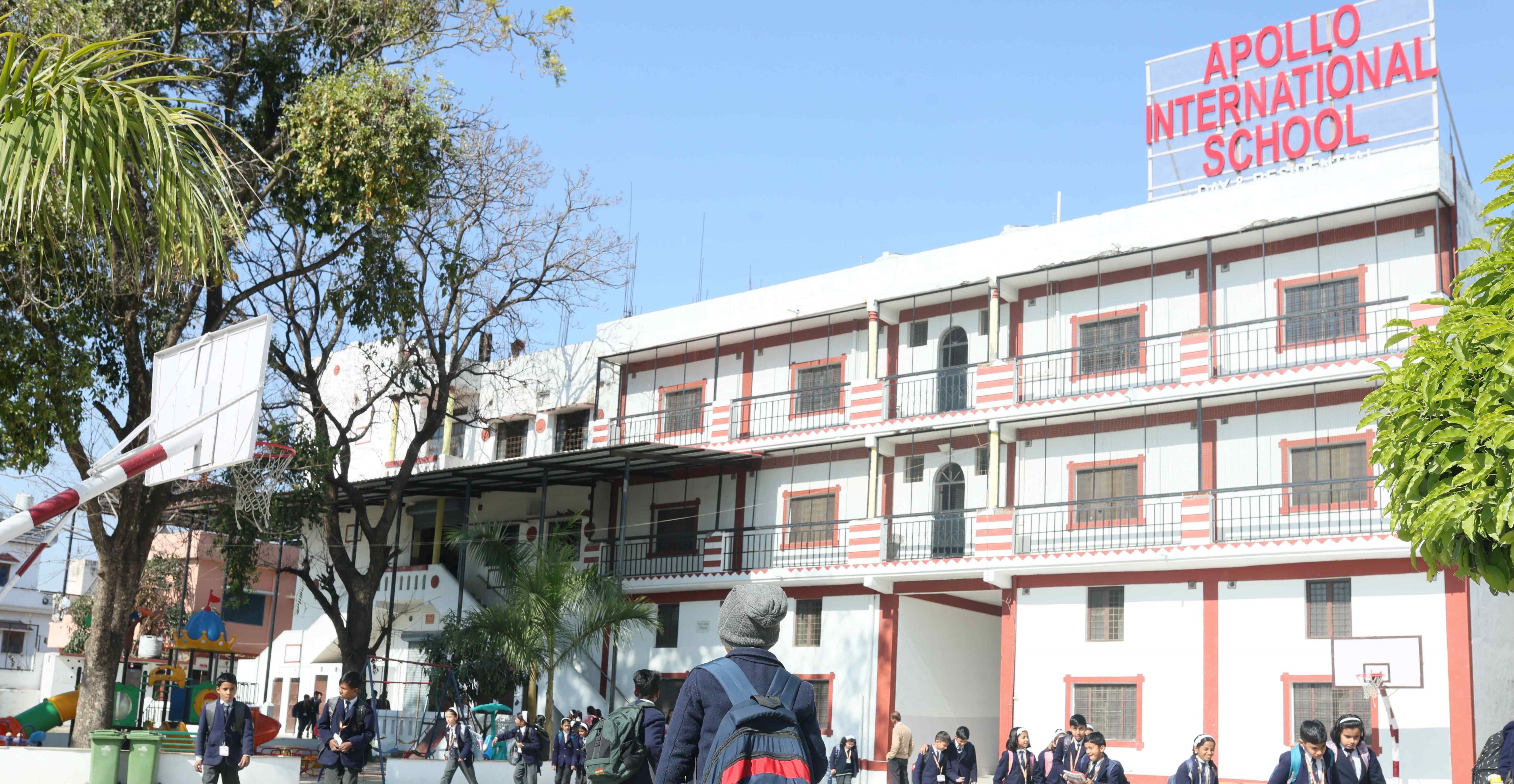
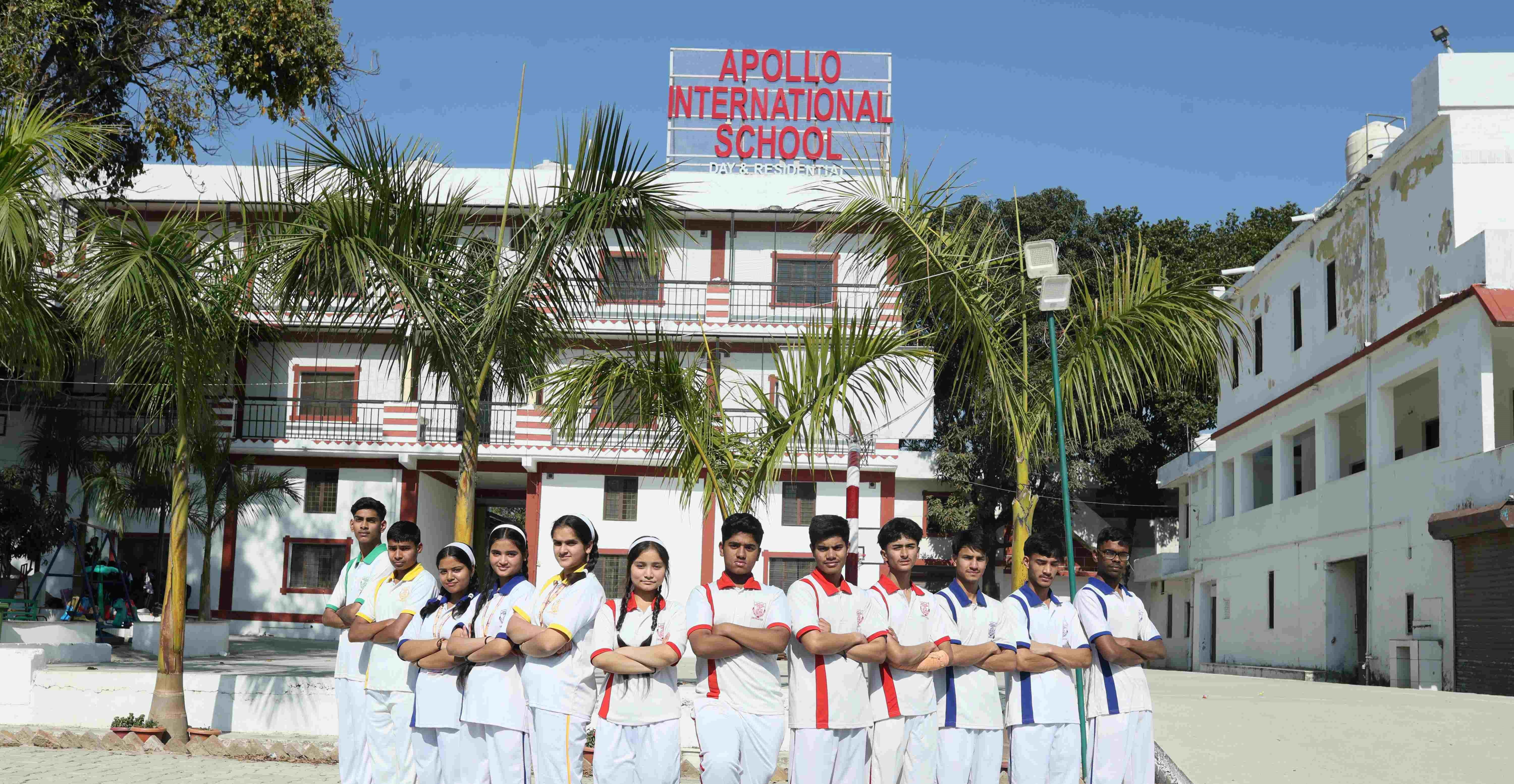
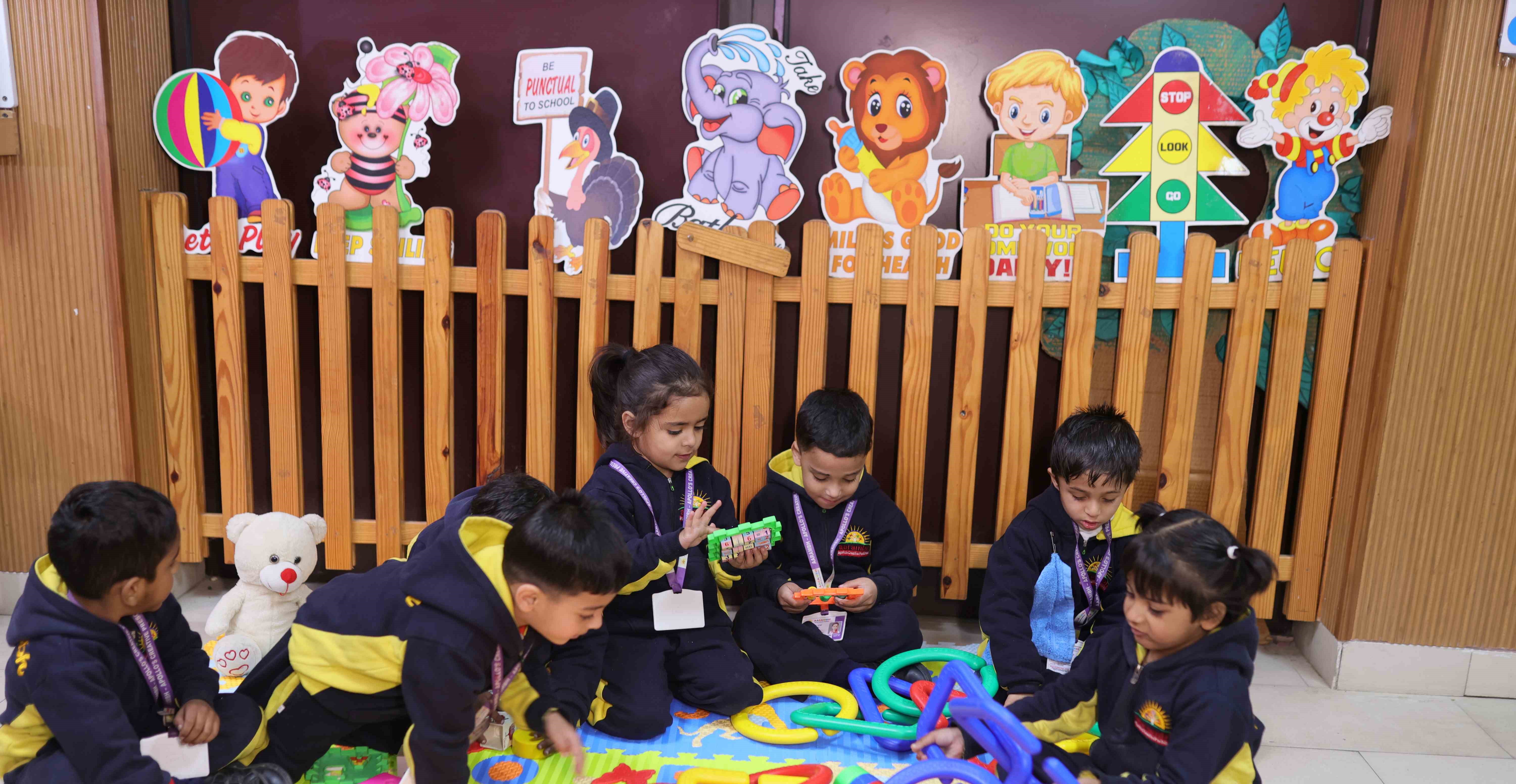
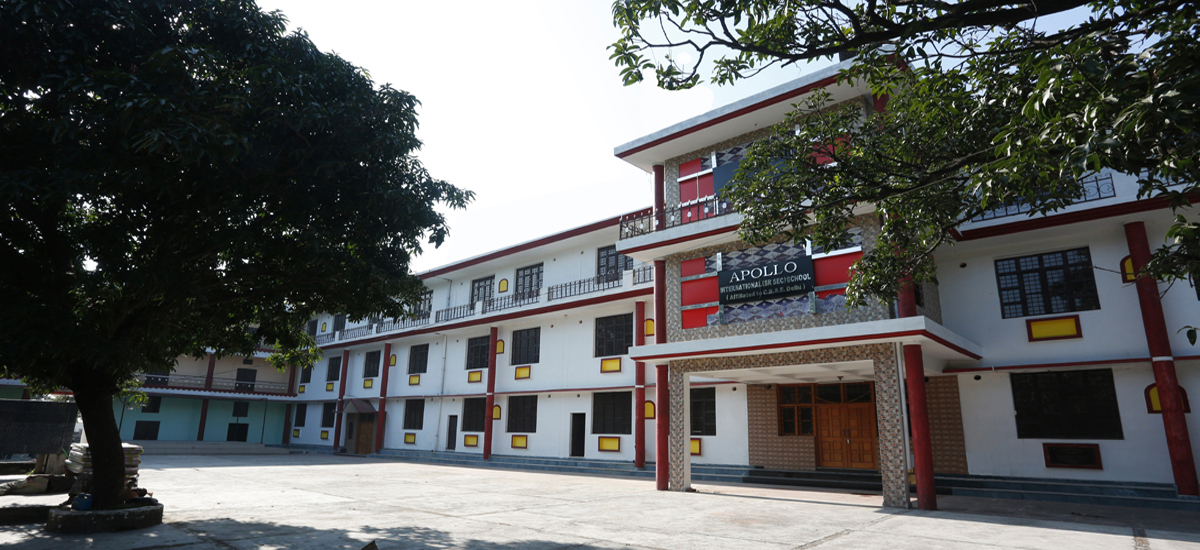
Apollo International School, established in March 1999, was conceived with a mission to offer quality education that prioritizes the holistic development of students. Its foundation rests on the belief that the needs and aspirations of students should be at the core of its educational philosophy. The school seeks to create a nurturing environment where academic excellence is achieved through personalized attention, catering to the unique strengths, interests, and learning paces of each student. Vahdath Mala Pdf
A vivid recitation can feel cinematic: the room dim, a single bulb haloing the reciter; pages turning softly; a faint scent of incense or boiled spices mingling with the words; listeners’ faces softened by concentration, eyes glistening as the supplication arcs towards its closing pleas. When it ends, the release is palpable—some breathe more easily, hands unclench, and a hush lingers, as if the space itself remembers the invocation. A vivid recitation can feel cinematic: the room
There is a tonal interplay throughout: humility balanced with assertive hope. The supplicant does not merely ask; they remind the Divine of past mercies, of human frailty, of the covenant between Creator and creation. Occasionally the text shifts into metaphoric language—storms, deserts, and thirsty mouths—that makes spiritual need tangible. In quieter passages, the language becomes almost lullaby-like: repeated refrains that soothe, promising that protection is near and that fear can loosen its grip. The supplicant does not merely ask; they remind
Vahdath Mala is a short, haunting devotional text used in some South Asian Islamic devotional traditions, often recited as a supplication for protection, healing, and spiritual solace. The text’s language and tone blend gentle urgency with devotional intimacy: phrases echoing plea and trust, images of light and refuge, and an ever-present turning toward the Divine presence. Reciters approach it with reverence; its cadence—whether read aloud in a small household circle or chanted in a dimly lit gathering—creates a rhythm that feels at once ancient and immediate.
Recitation often intensifies at key phrases: voices rise, breaths lengthen, and the communal pulse tightens. In group settings, older voices guide the tempo while younger ones echo, producing a layered soundscape—low, resonant fundamentals beneath lighter, higher refrains. Silence between sections is as charged as the words themselves; listeners tuck those pauses into their bodies like prayers stored for later. Physically, reciters may touch their chest or forehead during particularly poignant lines, a tactile sign of internalizing the plea.
In essence, Vahdath Mala’s power lies in its intimacy and immediacy: simple, evocative language woven into ritual cadence that offers comfort, courage, and a tangible sense of refuge. Whether encountered in a printed booklet, an aged family manuscript, or a carefully formatted PDF on a screen, the text continues to move hearts by turning ordinary speech into a ritual of hope.
A vivid recitation can feel cinematic: the room dim, a single bulb haloing the reciter; pages turning softly; a faint scent of incense or boiled spices mingling with the words; listeners’ faces softened by concentration, eyes glistening as the supplication arcs towards its closing pleas. When it ends, the release is palpable—some breathe more easily, hands unclench, and a hush lingers, as if the space itself remembers the invocation.
There is a tonal interplay throughout: humility balanced with assertive hope. The supplicant does not merely ask; they remind the Divine of past mercies, of human frailty, of the covenant between Creator and creation. Occasionally the text shifts into metaphoric language—storms, deserts, and thirsty mouths—that makes spiritual need tangible. In quieter passages, the language becomes almost lullaby-like: repeated refrains that soothe, promising that protection is near and that fear can loosen its grip.
Vahdath Mala is a short, haunting devotional text used in some South Asian Islamic devotional traditions, often recited as a supplication for protection, healing, and spiritual solace. The text’s language and tone blend gentle urgency with devotional intimacy: phrases echoing plea and trust, images of light and refuge, and an ever-present turning toward the Divine presence. Reciters approach it with reverence; its cadence—whether read aloud in a small household circle or chanted in a dimly lit gathering—creates a rhythm that feels at once ancient and immediate.
Recitation often intensifies at key phrases: voices rise, breaths lengthen, and the communal pulse tightens. In group settings, older voices guide the tempo while younger ones echo, producing a layered soundscape—low, resonant fundamentals beneath lighter, higher refrains. Silence between sections is as charged as the words themselves; listeners tuck those pauses into their bodies like prayers stored for later. Physically, reciters may touch their chest or forehead during particularly poignant lines, a tactile sign of internalizing the plea.
In essence, Vahdath Mala’s power lies in its intimacy and immediacy: simple, evocative language woven into ritual cadence that offers comfort, courage, and a tangible sense of refuge. Whether encountered in a printed booklet, an aged family manuscript, or a carefully formatted PDF on a screen, the text continues to move hearts by turning ordinary speech into a ritual of hope.