Vatsayana Kamasutra Book In Telugu Language Link
Provides integrated results with advanced visual analytical interface.

Provides integrated results with advanced visual analytical interface.
Style and Literary Qualities Vātsyāyana’s voice is concise, pragmatic, and sometimes ironic. He mixes prescriptive rules with case examples and aphorisms. A Telugu rendition benefits from classical literary forms—suitable diction, idiomatic phrases, and awareness of Telugu śṛṅgāra poetics—to convey subtlety without vulgarity. Use of polite Sanskritisms (where appropriate) can preserve the original register; at the same time, colloquial Telugu can make passages on social situations accessible.
Historical and Cultural Background Composed between roughly the 2nd and 4th centuries CE (estimates vary), the Kāmāsūtra emerged within a broader Indian literary and ethical tradition that included the Dharmashāstras, Nīti literature, and texts on art (Nāṭyaśāstra). Vātsyāyana wrote not as an isolated libertine but as a commentator synthesizing earlier aphoristic material on kāma (pleasure, desire) and its place among life’s aims (dharma, artha, kāma, mokṣa). For Telugu readers, understanding the Kāmāsūtra means seeing it in relation to Telugu classical poetics (śṛṅgāra rasa), courtly customs, and regional social norms from medieval Andhra and Telangana courts to modern urban life.
Introduction The Kāmāsūtra, attributed to Vātsyāyana, is an ancient Sanskrit treatise traditionally framed as a manual on love, desire, and social relationships. While popularly misunderstood as merely an erotic handbook, the work is far richer: it addresses courtship, marriage, social conduct, aesthetics of intimacy, and the psychology of desire. Translating or rendering such a classical text into Telugu invites readers to connect with its social and literary contexts, adapt its ethical nuances to regional norms, and appreciate its literary finesse.
We offer pricing plans that fit all investigation types and team sizes. Compare and find the best plan for you.

The perfect way to test out your analytical needs and later upgrade to what suites you best. vatsayana kamasutra book in telugu language
 30 days Licence
All Features Unlocked
No Payments Required
Quick Installation
Easy to Upgrade
Mobile App
30 days Licence
All Features Unlocked
No Payments Required
Quick Installation
Easy to Upgrade
Mobile App

A must have tool for all your IPDR investigative needs. Experience next-gen IPDR analytics with C5 CAT Edition. Use of polite Sanskritisms (where appropriate) can preserve

The optimum choice of IOS to let Application work as a client-server in local network or stand-alone as well. and appreciate its literary finesse.

The most powerful option for mid and big-size organizations looking to get as much data as possible.

This edition is a bespoke data analytical solution. Designed, developed and tailored to fit your organizations specific needs
Unlimited Big Data, Ultimate Solution
Data with no limits for Big data analysis with state of art data security measures.Enterprise edition of the C5 CDR analyzer consist of a server license and a complimentary copy of the client License. Server License would be installed on the server thereafter client license would be installed on a computer connected to the server through LAN network. This implementation would enable C5 client to connect to the server and access the data on the basis of assigned privileges. Thus maintaining data security would be easy and data is located centrally.
Ultimate solution for Big Data Analysis
Ultimate solution for Big data analysis with state of art data security measures.Enterprise edition of the C5 CDR analyzer consist of a server license and a complimentary copy of the client License. Server License would be installed on the server thereafter client license would be installed on a computer connected to the server through LAN network. .This implementation would enable C5 client to connect to the server and access the data on the basis of assigned privileges. Thus maintaining data security would be easy and data is located centrally.
The C5 CDR Analyzer's Professional Edition is capable of working as a client to the server in local network as well as this edition also can be used as stand-alone; required data from the server can be transferred into this and can be carried anywhere needed for analysis.
A Lite version of the acclaimed C5 CDR ANALYZER made by Prosoft e-Solutions India Pvt. Ltd. The desktop application that is convenient and simple to use, helps you find crucial information expeditiously. Ideal for day to day CDR analysis, it’s designed from the ground up with performance and accuracy being the focus of development. With an intuitive UI and user-friendly operations this application makes it a must have, for anyone with the need and know-how of CDR analytics.
Android Application
For the officers on the move

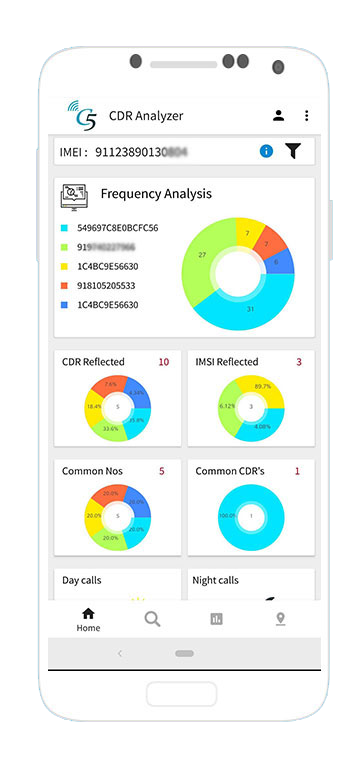
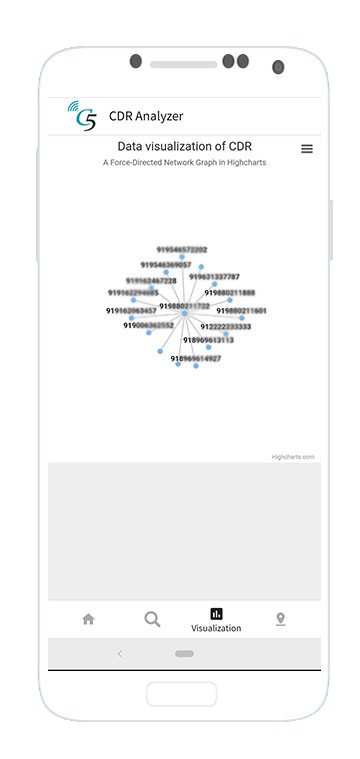
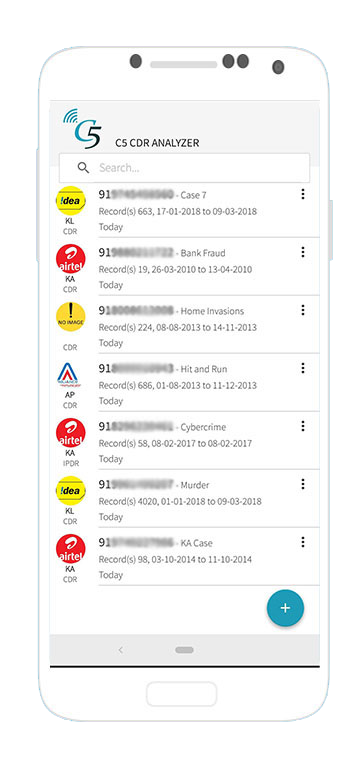
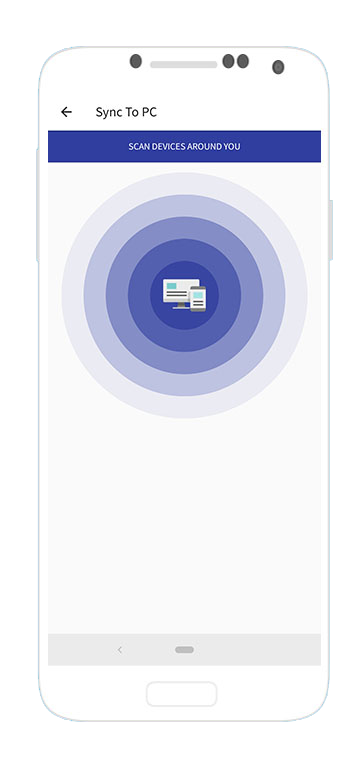
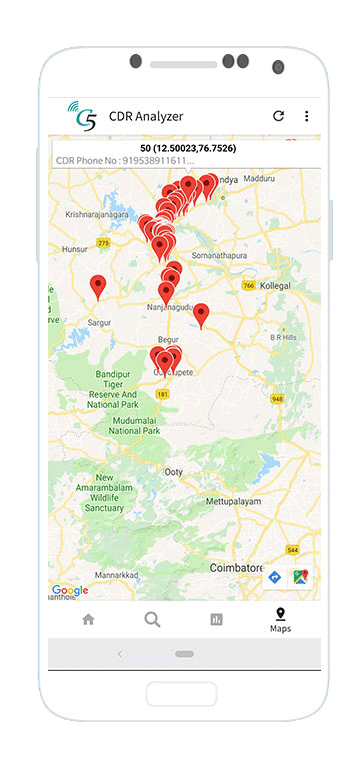
Providing you with powerful analytical tools, is what we do best.




























Style and Literary Qualities Vātsyāyana’s voice is concise, pragmatic, and sometimes ironic. He mixes prescriptive rules with case examples and aphorisms. A Telugu rendition benefits from classical literary forms—suitable diction, idiomatic phrases, and awareness of Telugu śṛṅgāra poetics—to convey subtlety without vulgarity. Use of polite Sanskritisms (where appropriate) can preserve the original register; at the same time, colloquial Telugu can make passages on social situations accessible.
Historical and Cultural Background Composed between roughly the 2nd and 4th centuries CE (estimates vary), the Kāmāsūtra emerged within a broader Indian literary and ethical tradition that included the Dharmashāstras, Nīti literature, and texts on art (Nāṭyaśāstra). Vātsyāyana wrote not as an isolated libertine but as a commentator synthesizing earlier aphoristic material on kāma (pleasure, desire) and its place among life’s aims (dharma, artha, kāma, mokṣa). For Telugu readers, understanding the Kāmāsūtra means seeing it in relation to Telugu classical poetics (śṛṅgāra rasa), courtly customs, and regional social norms from medieval Andhra and Telangana courts to modern urban life.
Introduction The Kāmāsūtra, attributed to Vātsyāyana, is an ancient Sanskrit treatise traditionally framed as a manual on love, desire, and social relationships. While popularly misunderstood as merely an erotic handbook, the work is far richer: it addresses courtship, marriage, social conduct, aesthetics of intimacy, and the psychology of desire. Translating or rendering such a classical text into Telugu invites readers to connect with its social and literary contexts, adapt its ethical nuances to regional norms, and appreciate its literary finesse.